
Sustainability
Sustainability, with the evidence
We would rather make a few specific claims we can back up than vague promises. Here is what a light gauge steel frame can offer, where it depends on the design of your scheme, and where to check the figures.
What the steel frame offers
Specific benefits, clearly explained
Materials
Steel can be recycled again and again
Steel can be recycled repeatedly into new steel without losing its properties. When buildings are demolished, steel is easy to recover because it is magnetic and keeps its value as scrap.
How we know: SteelConstruction.info reports a UK survey of demolition contractors in which 93% of light structural steel was recycled and 5% reused (source 1). This is an industry-wide figure, not a measurement of our homes.
Manufacture
Cut to size in the factory
Wall, floor and roof panels are made off-site to the engineer’s design, so there is very little cutting on site. Steel offcuts are easy to separate and recycle.
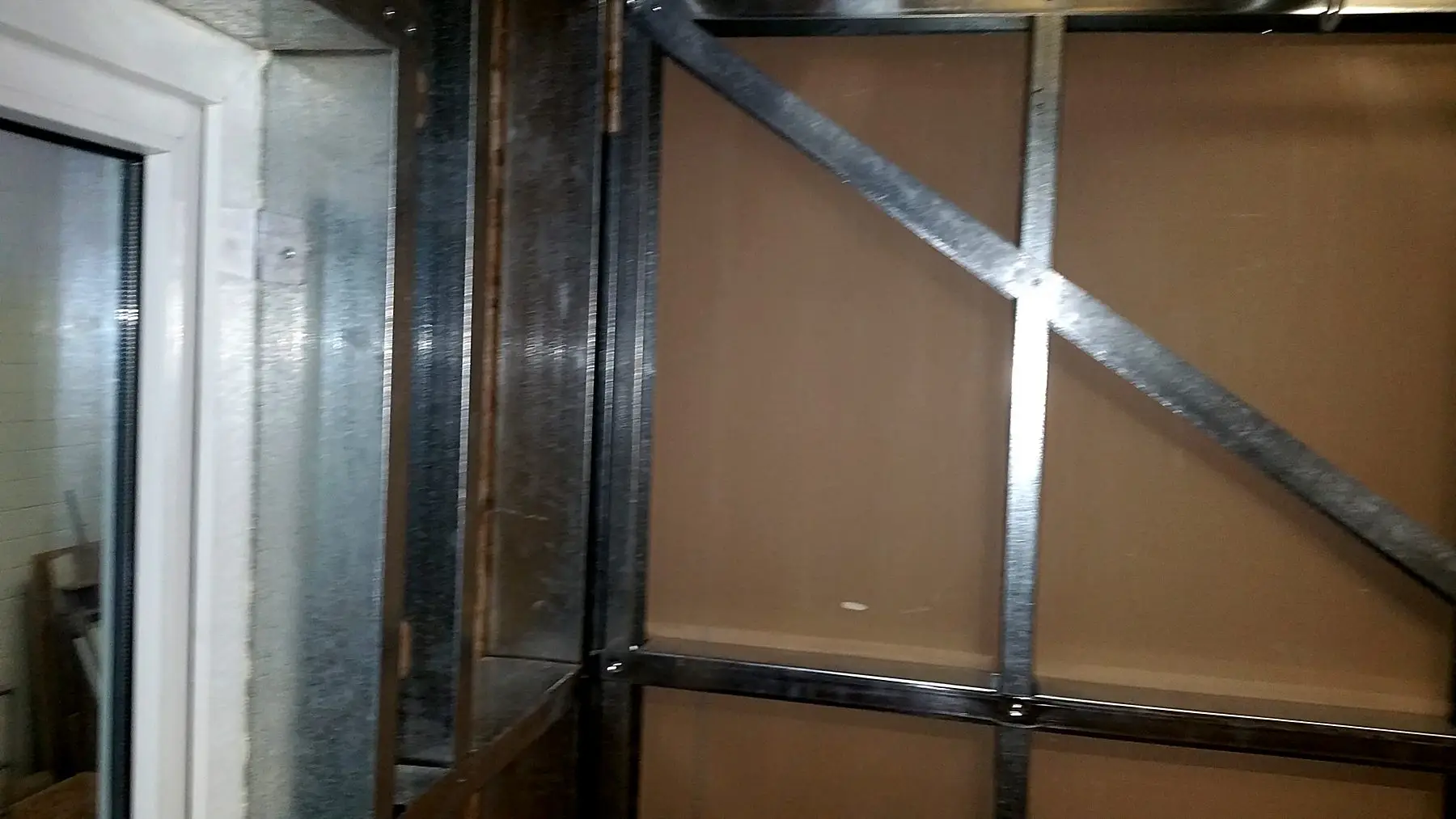
How we know: SteelConstruction.info lists an estimated construction-site wastage rate of about 2.5% for light gauge steel (BRE Green Guide figure; source 1). This is an industry estimate, not a measurement of our sites.
Durability
A frame that will not rot, warp or shrink
The galvanised steel frame is not affected by rot or insects, and it does not shrink or warp as it dries out. That helps keep the structure and finishes stable over time.
How we know: These are properties of the material. They are not a claim about the lifespan of the whole home.
Foundations
A lighter structure
A steel frame is light for its strength. On some sites, that can mean smaller foundations and less concrete.
How we know: The foundation design is the structural engineer’s decision for each site, and we confirm it scheme by scheme.
Energy
Precision that helps the building envelope perform
Accurately made panels help insulation to fit continuously and make airtightness details easier to build well. Every home is designed to meet the energy-efficiency requirements of the Building Regulations in force for that scheme.
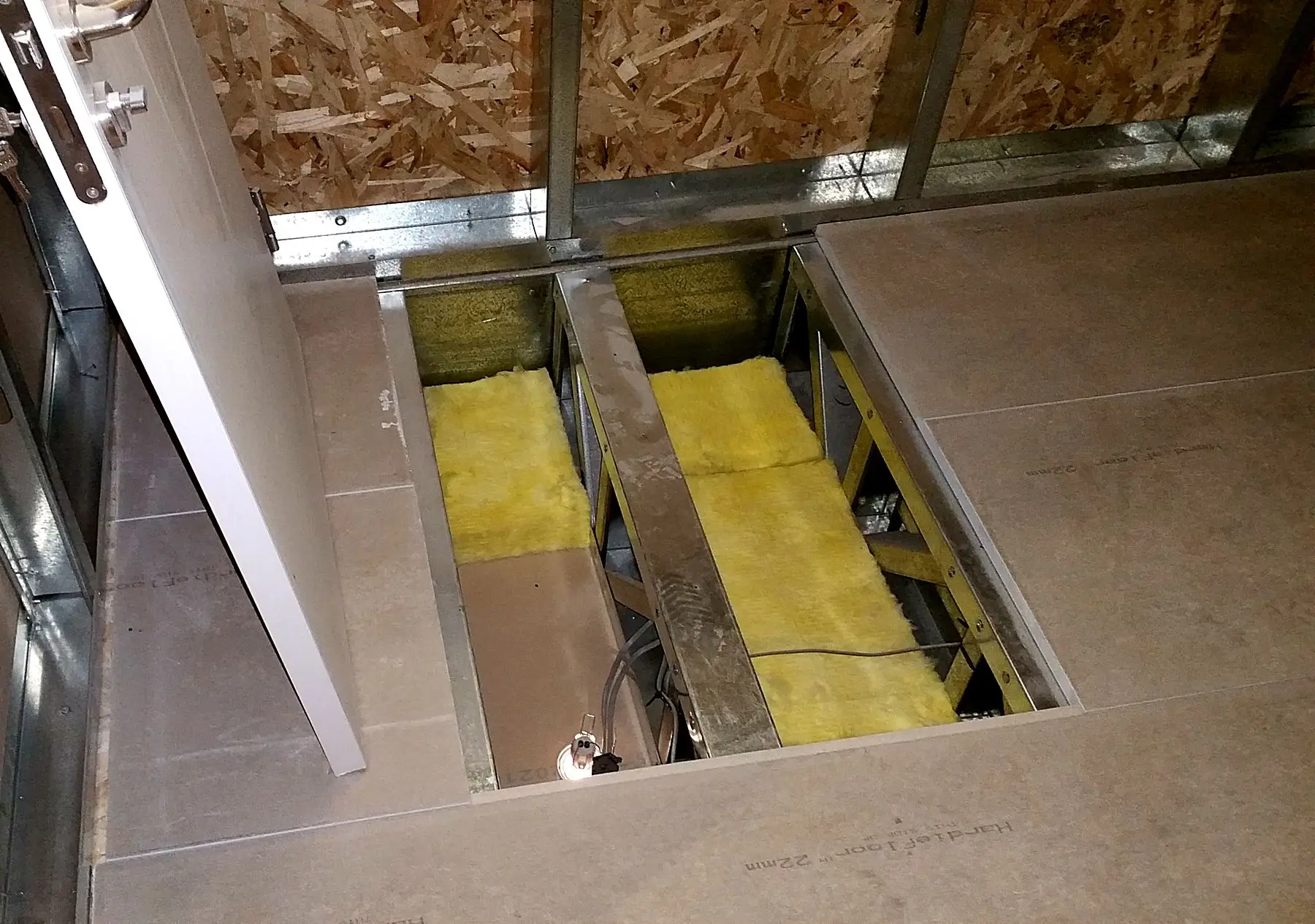
How we know: Energy performance is calculated for each home’s design and checked as the Building Regulations require, including airtightness testing. From 24 March 2027, new homes in England must meet the Future Homes Standard, subject to transitional arrangements (source 2).
On site
Less time and disruption on site
Because the frame is made off-site, it can go up quickly once the foundations are ready, with less cutting, noise and dust on site.
How we know: Programmes vary by scheme. We confirm the programme for each project in your estimate.
Low-carbon heating and solar
Designed around your scheme’s energy strategy
Heating and renewables are design choices, not features of the frame. We work with your design team to build in heat pumps, solar PV and the services routes they need where your scheme includes them. Under the Future Homes Standard, new homes will be built with low-carbon heating and must have on-site renewable electricity generation (source 2).
The full picture
What we do not claim
- Making steel is energy-intensive, and the carbon footprint of a frame depends on how and where the steel was made and how far it travels. We do not claim that our homes have a lower overall carbon footprint than timber or masonry homes unless a scheme-specific assessment shows it.
- We do not describe our homes as “eco-friendly”, “zero carbon” or “carbon neutral”.
- Meeting the Building Regulations is a legal requirement for every new home. We do not present it as something extra.
- If your scheme needs a whole-life carbon assessment, we will work with your consultant on the data for the frame.
We follow the Competition and Markets Authority’s Green Claims Code. If you think anything on this page is unclear, please tell us.
Sources
- SteelConstruction.info (BCSA / SCI), “Recycling and reuse”: UK reuse and recycling rates of steel demolition arisings (2012 survey; Sansom and Avery, 2014) and manufacture/construction wastage rates. https://www.steelconstruction.info/Recycling_and_reuse (accessed 12 October 2026).
- GOV.UK, MHCLG, “The Future Homes and Buildings Standards: Building Circular 01/2026 – letter”, 24 March 2026. gov.uk/government/publications/the-future-homes-and-buildings-standards-building-circular-012026 (accessed 12 October 2026).
Planning a scheme with an energy strategy?
Send us your consented drawings and energy statement for a free build-cost and programme estimate.